


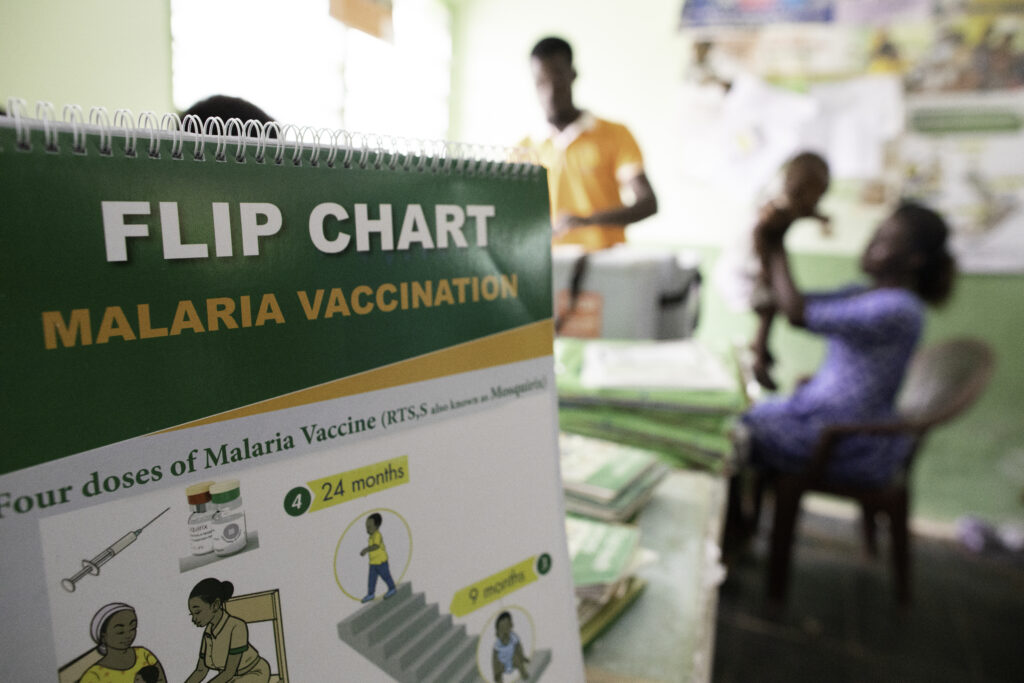
As malaria vaccines are introduced and scaled up across Africa, communication plays an integral role in building awareness and trust, supporting uptake and ultimately saving more lives. Across the OPT-MVAC network, national programmes have developed and are deploying communications strategies to engage communities, while using diverse approaches and channels to support vaccine implementation.
To better understand these approaches, OPT-MVAC’s workstream dedicated to communications, dissemination and exploitation recently conducted a survey targeting national immunisation, malaria control and pharmacovigilance programmes across the consortium’s 14 partner countries.
The survey received 42 individual responses, providing insights into how national programmes plan and implement communication activities, the channels and tools they use, their approaches to addressing misinformation and monitoring communication efforts, and the challenges and lessons learned along the way.
Initial analysis points to the importance of community engagement, with trusted local leaders and frontline health workers playing a central role alongside traditional and digital communication channels. Survey responses also highlight the importance of monitoring and responding to misinformation, gathering community feedback and supporting caregivers in completing the full vaccination schedule.
The findings will help identify existing resources and gaps, while informing targeted communications support for OPT-MVAC country partners. By drawing on the expertise within its network, consortium partners can strengthen cross-country learning and exchange best practices and lessons learned.
A more detailed analysis of the findings will follow.