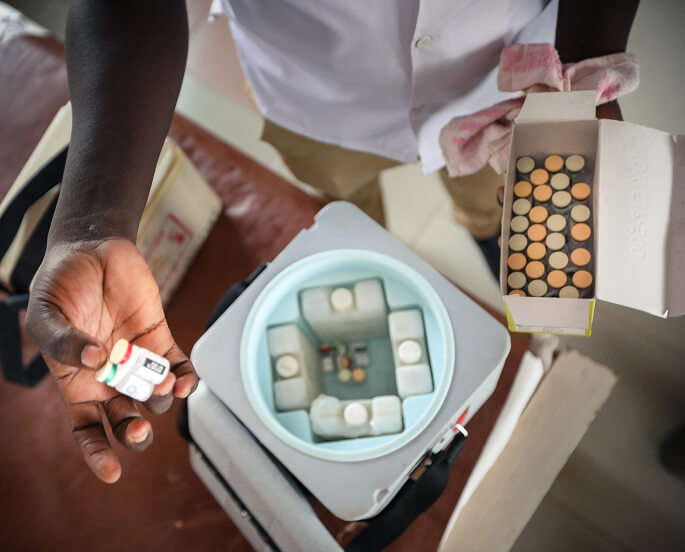
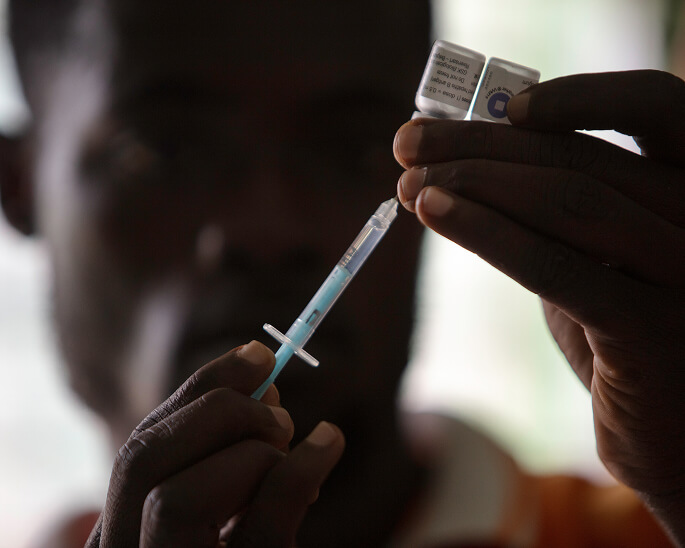
The rollout of effective malaria vaccines marks a major milestone in global health, offering vital protection in endemic areas each year. Building on the success of the Malaria Vaccine Implementation Programme in Ghana, Malawi and Kenya — which demonstrated that over 4 years, about 1 in 8 deaths from all causes were averted in young children eligible to receive the RTS,S vaccine — the World Health Organization (WHO) endorsed the RTS,S vaccine in 2021.
In 2023, WHO also recommended the R21/Matrix-M vaccine. Both malaria vaccines have been proven safe and effective, reducing malaria cases by over 50% in the first year after vaccination — a critical period when children face the highest risk of severe illness and death.
The need for implementation research
With malaria vaccines now available and supply increasing, countries in West and Central Africa—where seasonal transmission is intense—have a critical opportunity to lead the way in vaccine rollout. Success will depend on strong national leadership, informed by local evidence and supported by coordinated partnerships to ensure vaccines reach the children who need them most.
The challenge
Despite their proven potential, malaria vaccines face major implementation hurdles. Low routine immunisation rates and the new need for two extra visits add logistical challenges, but also open doors to deliver other vital vaccines.
Unlocking this potential requires trained community health workers and tailored delivery, especially in areas with seasonal transmission. Stronger safety monitoring is also key to addressing concerns and building public trust in vaccines.
OPT-MVAC goals
OPT-MVAC supports implementation research led by national immunisation, malaria and pharmacovigilance programmes to tailor delivery strategies to local needs and promote cross-country learning. Driven by national programmes, the project is providing grants and technical assistance to support the monitoring of vaccine coverage and the development, implementation and evaluation of strategies to address challenges such as vaccine hesitancy, access barriers and other gaps in uptake.