Tackling social media influencers spreading rumours on the malaria vaccines

As countries across Africa continue rolling out the RTS,S and R21 malaria vaccines, the OPT‑MVAC is strengthening countries’ efforts to counter rumours and misinformation that threaten public confidence in these life‑saving tools. A recent infodemic in Togo provided an opportunity for consortium members to convene and share practical lessons on building trust with communities. 

Responding to an infodemic in Togo

Three days before the planned introduction of the R21 malaria vaccine in Togo, an infodemic erupted on social media, triggered by an influencer’s voice message disseminated on WhatsApp, Facebook and TikTok. The individual urged people to refuse the vaccine, claiming severe side effects, external influence, low effectiveness and lack of pharmacovigilance. 

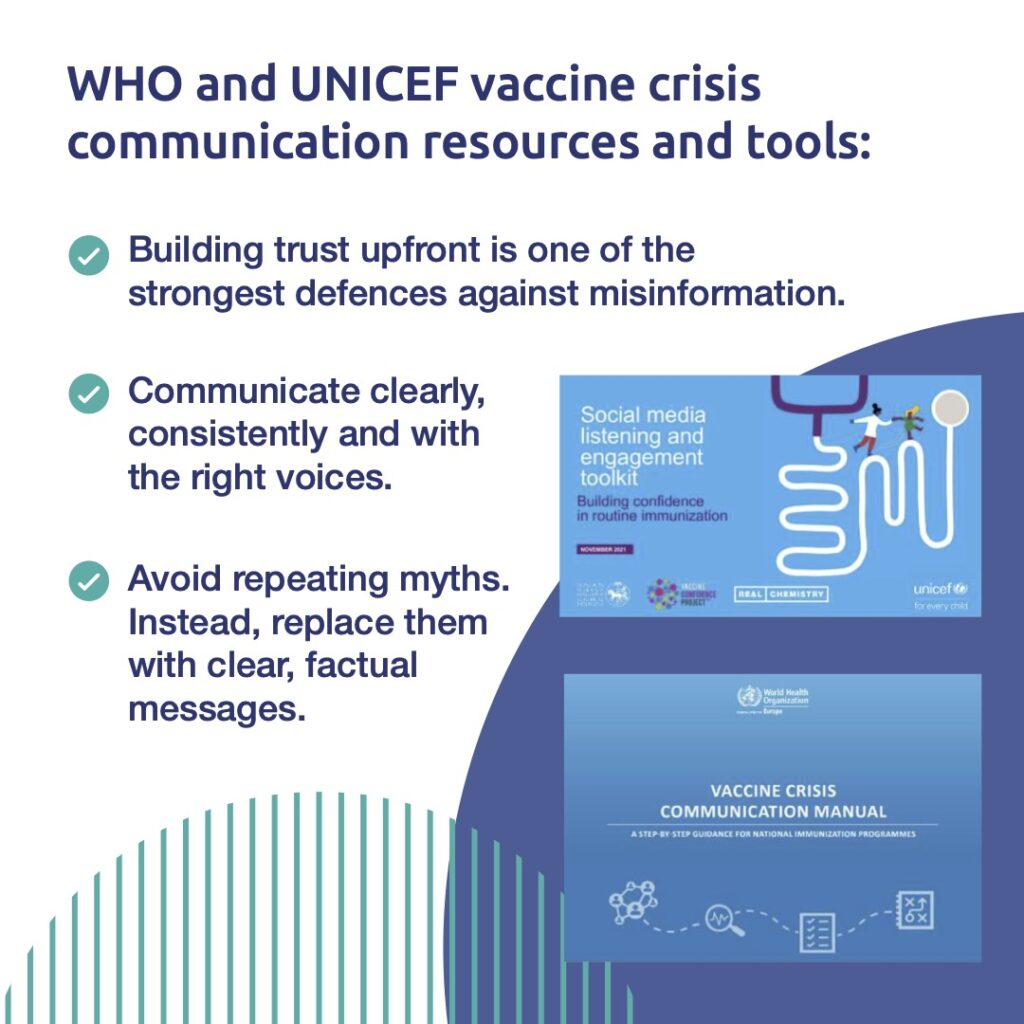
In response, the WHO collaborating centre for pharmacovigilance in Rabat, Morocco, along with all other OPT-MVAC partners convened an urgent webinar, where national malaria, immunisation and pharmacovigilance programmes in Togo, Guinea, Côte d’Ivoire and Ghana shared recent experiences, lessons learned and best practices. Crisis communication resources and tools, including those developed by WHO and UNICEF, were also shared with all OPT-MVAC partner countries.  

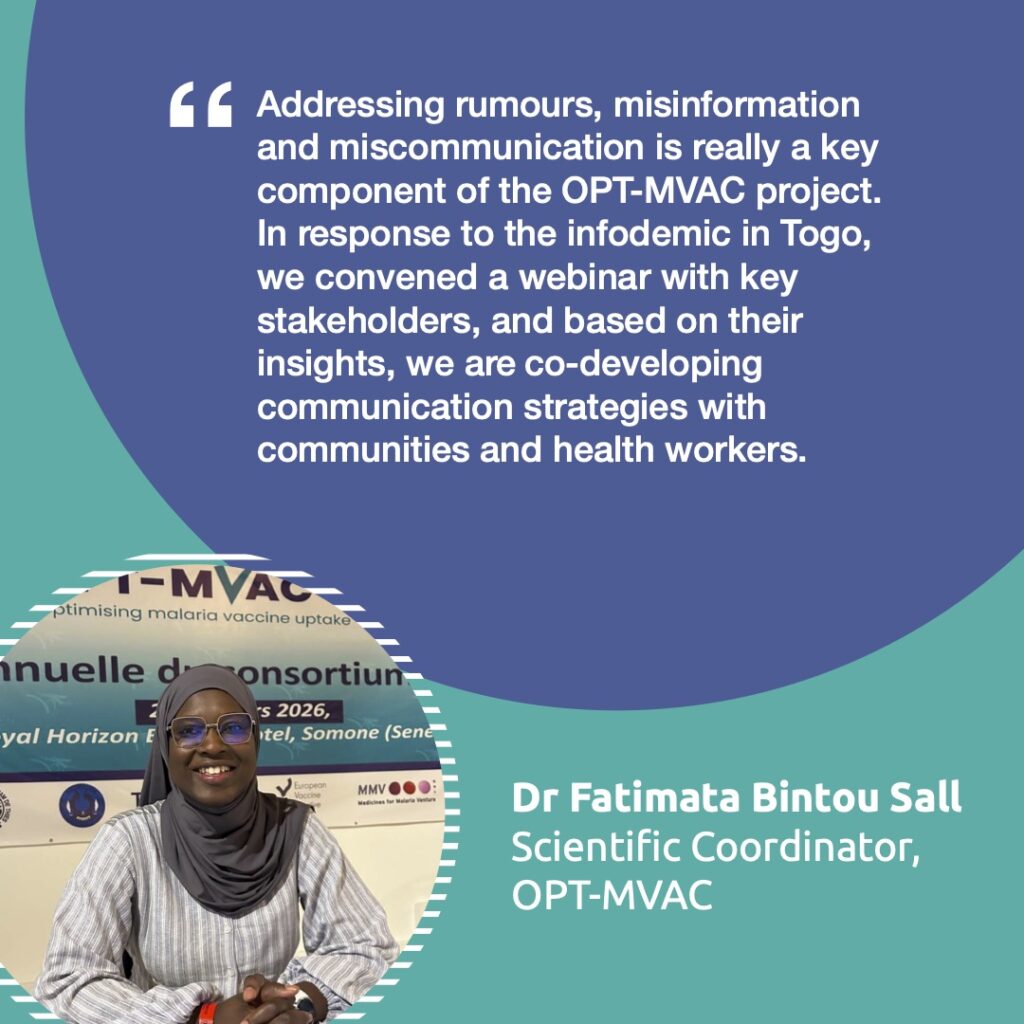
“Addressing rumours, misinformation and miscommunication is really a key component of the OPT-MVAC project,” said Dr Fatimata Bintou Sall, Scientific Coordinator for OPT‑MVAC. “Based on the insights shared during the webinar and from qualitative studies we are conducting, we are co-developing communication strategies with communities and health workers.” 

Country insights: preparing early, responding fast

Across the four countries, a common message emerged: planning for misinformation must begin long before vaccine rollout. 

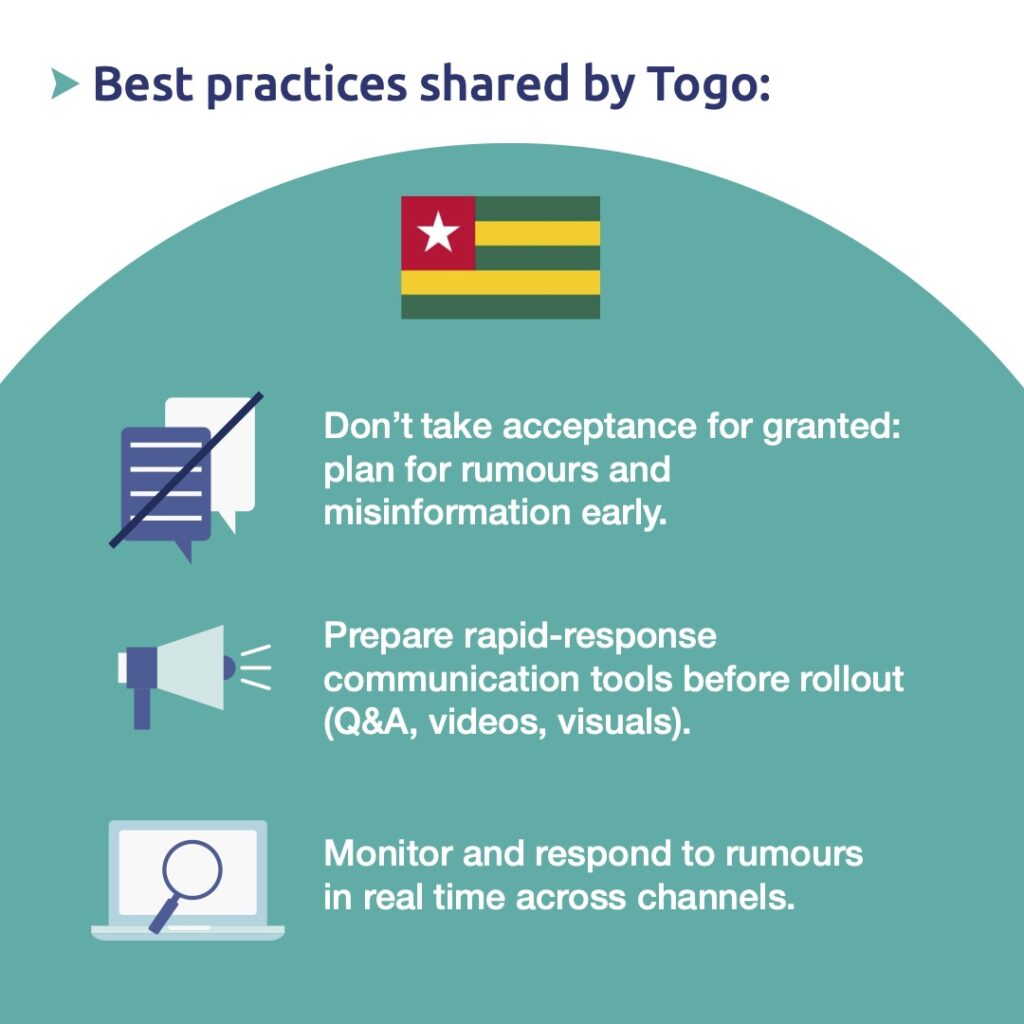
  • Togo highlighted the need to plan for rumours and misinformation early and to prepare rapid‑response tools—such as Q&As, videos and visuals—before introduction. The country also stressed the importance of monitoring and responding to rumours in real time across channels. 
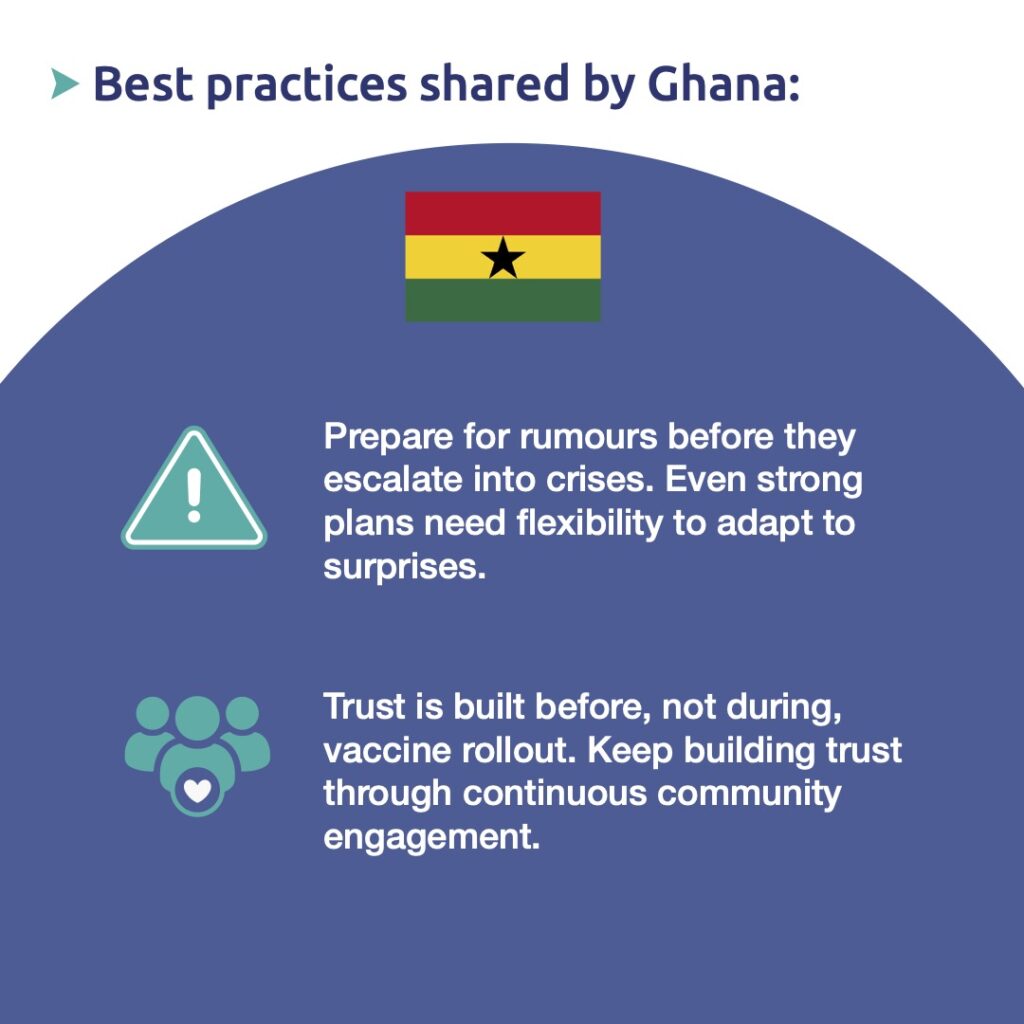
  • Ghana underscored that even strong communication plans must remain flexible. Trust, they noted, “is built before, not during, vaccine rollout,” and requires continuous community engagement to prevent rumours from escalating into crises. 
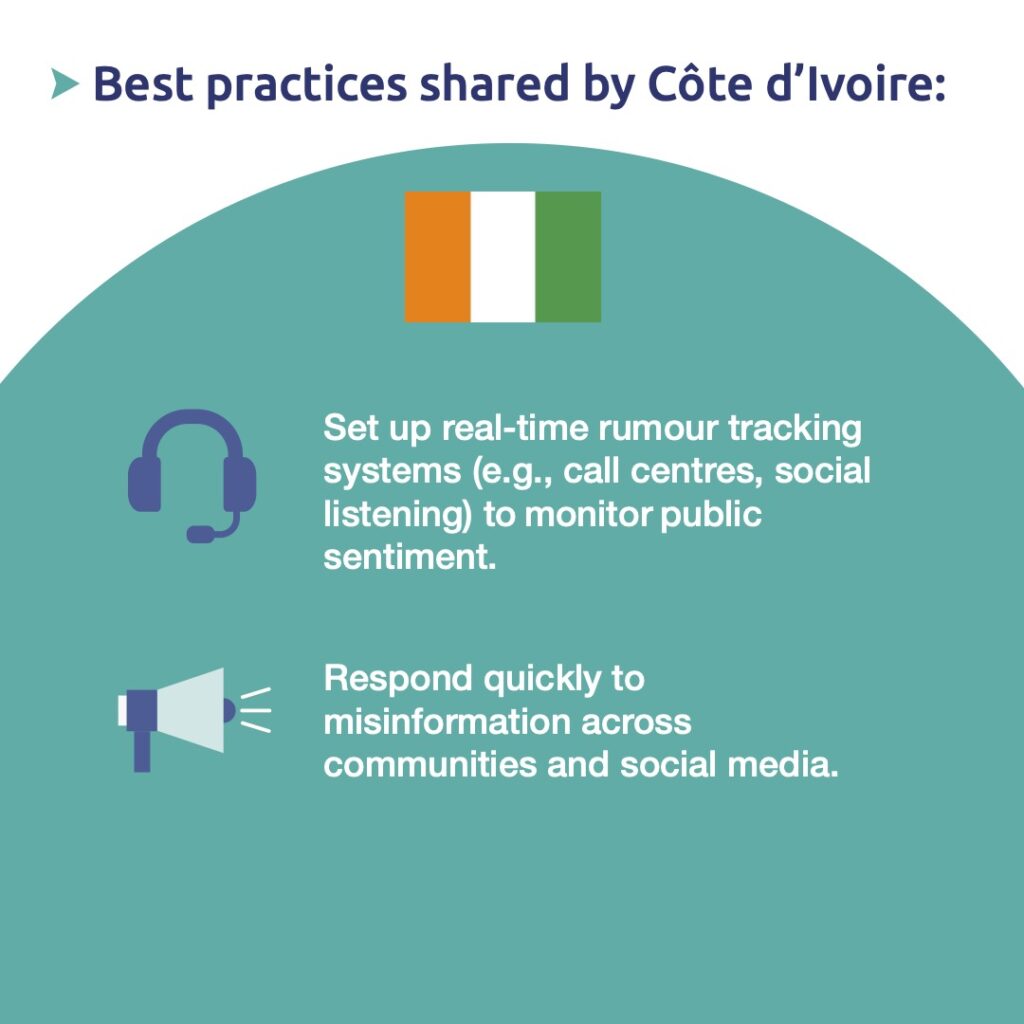
  • Côte d’Ivoire shared its experience establishing real‑time rumour‑tracking systems, including call centres and social listening mechanisms, to monitor public sentiment and respond quickly across communities and social media platforms. 
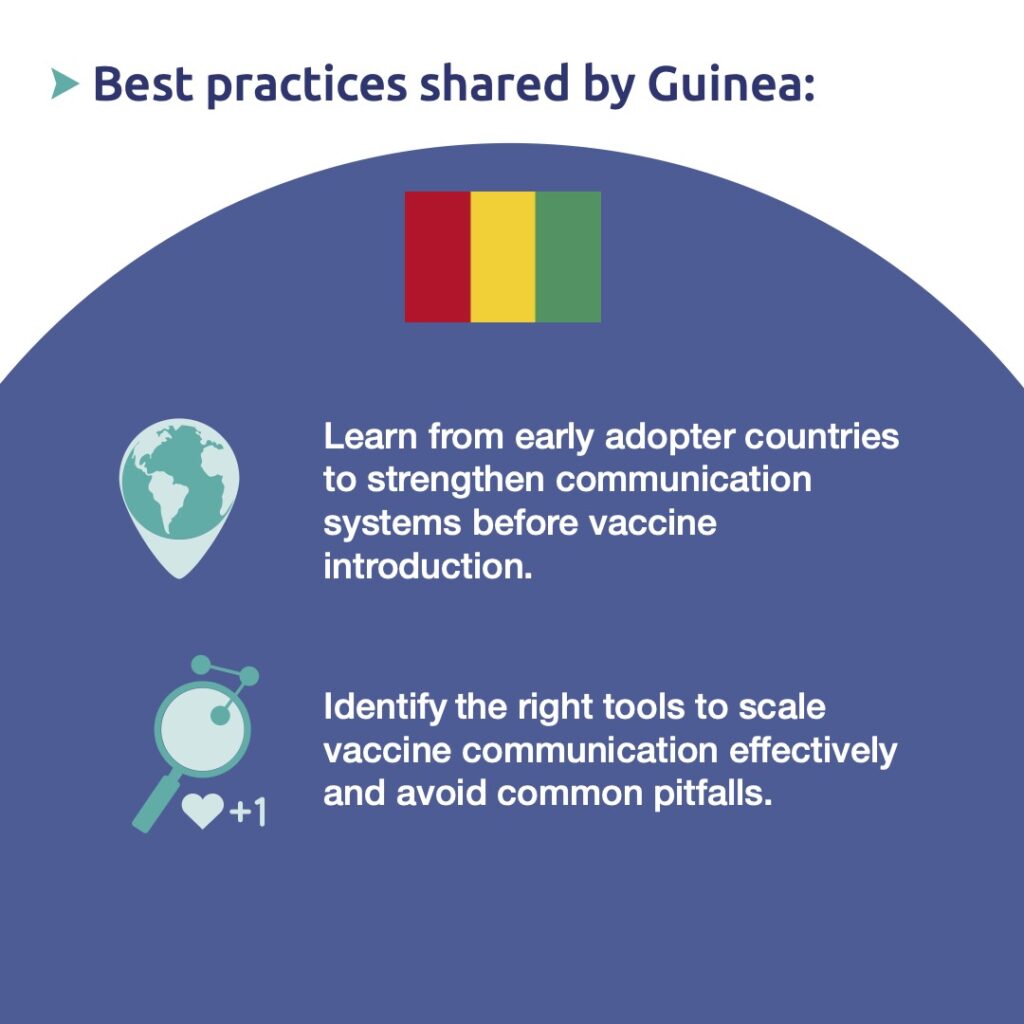
  • Guinea emphasised the value of learning from early‑adopter countries to strengthen communication systems ahead of vaccine introduction and to identify scalable tools that help avoid common pitfalls.
 

OPT-MVAC provides an ideal forum for bringing together countries in Africa facing similar challenges, said Dr Atekpe Payakissim Somiabalo, coordinator of Togo’s national malaria control programme and member of the national organising committee for the introduction of the vaccine. “The experience of each is a treasure for all.” 

Share this article:

Please fill in the details below to complete your subscription